Library
News, white papers, articles, and resources from our team on federal technology, AI, data security, and delivering for our clients.
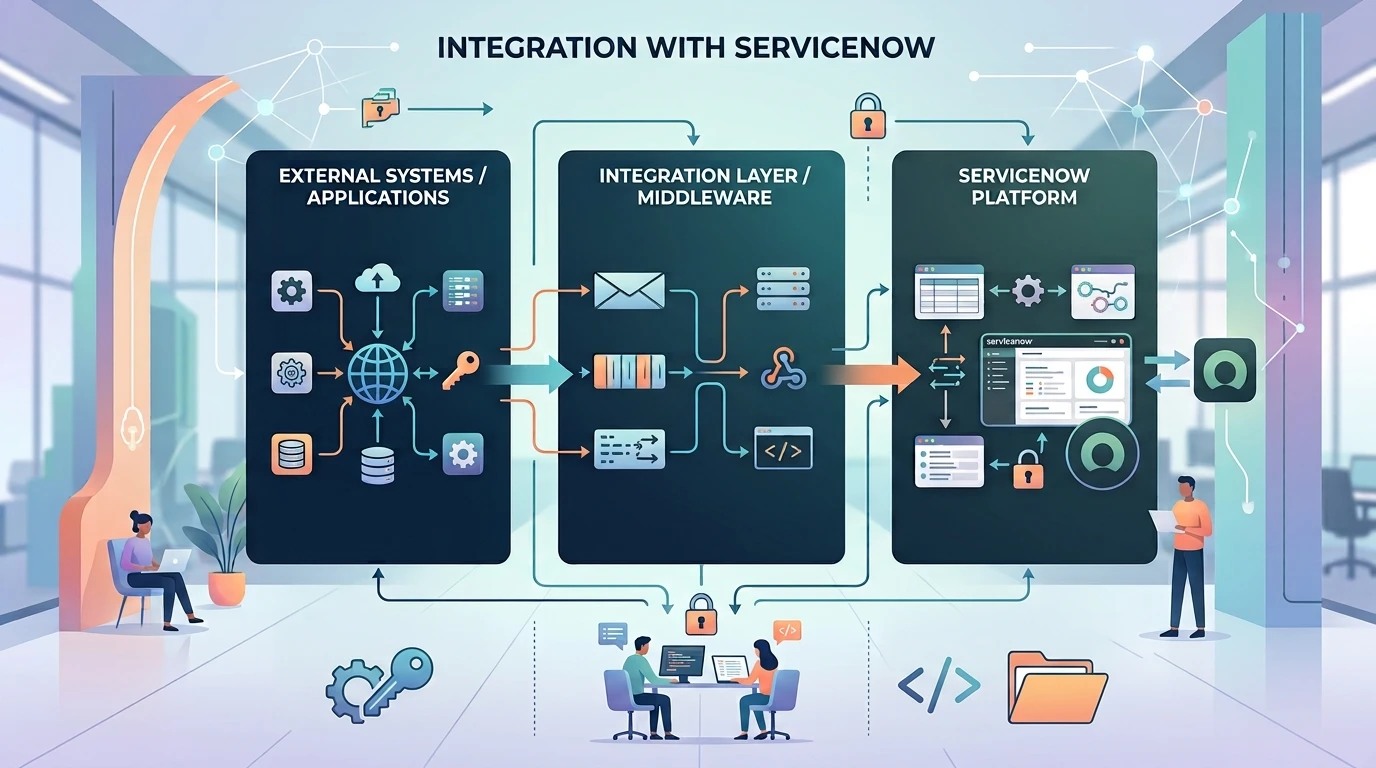
Tech Note 3: ServiceNow, From Use Cases to a Running Application
Alchemist AI Pro™ use cases, parsed by a Python or Java extractor and posted to a ServiceNow® Scripted REST API, give Now Assist and Otto what they need to build a running ServiceNow® application. This note includes the prototype code and payloads.

Portability Before the Bill
All three hyperscalers waived data egress fees for departing customers in 2024, and the EU Data Act bars switching charges outright from January 12, 2027. That turns the price of leaving a cloud provider into a number a program office can finally put on paper, and it exposes where the real migration cost has always been: the engineering rework, the compliance boundary, and the provider-specific services nobody inventoried.

Managing Data Science as an Operational Capability
Data science begins with evidence rather than an assumed application, and without a named decision it can consume staff capacity while producing analyses no owner can use. This paper sets out a decision-centered management model covering ownership, data readiness, fitness for purpose, monitoring, and the evidence a manager needs to authorize, accept, and sustain an analytical capability.

What Building Real Software Taught Me
A logistics and operations leader with no development background took two applications from operational idea through requirements, AI-assisted development, testing, the Final Mile, and acceptance. Producing code turned out to be the fast part. Knowing what to build, proving it worked in the real world, and owning the decision to accept it did not get easier.

Journey Through Alchemy SDLC™ (Part 5): From the Other Side of the Console
The same journey, reported from the other side of the console. The XO describes what an assignment, a missing constraint, a correction, a template, or a green test actually changes — and what it needs from a Captain to keep fast execution pointed at the objective.

Tech Note 2: Appian, Undoing Platform Lock-In
Appian keeps an application's definitions inside a web-based designer rather than as files on disk. This note walks through Alchemist AI Pro™ reading a complete Appian application straight from that interface and rendering it as use cases, tests, personas, and rules.
Tech Note 1: TIBCO to Pega, Real-Time Migration
A working proof that a business analyst can move an application off TIBCO and onto Pega, using Alchemist AI Pro™ to bridge two platforms with no direct migration path between them.
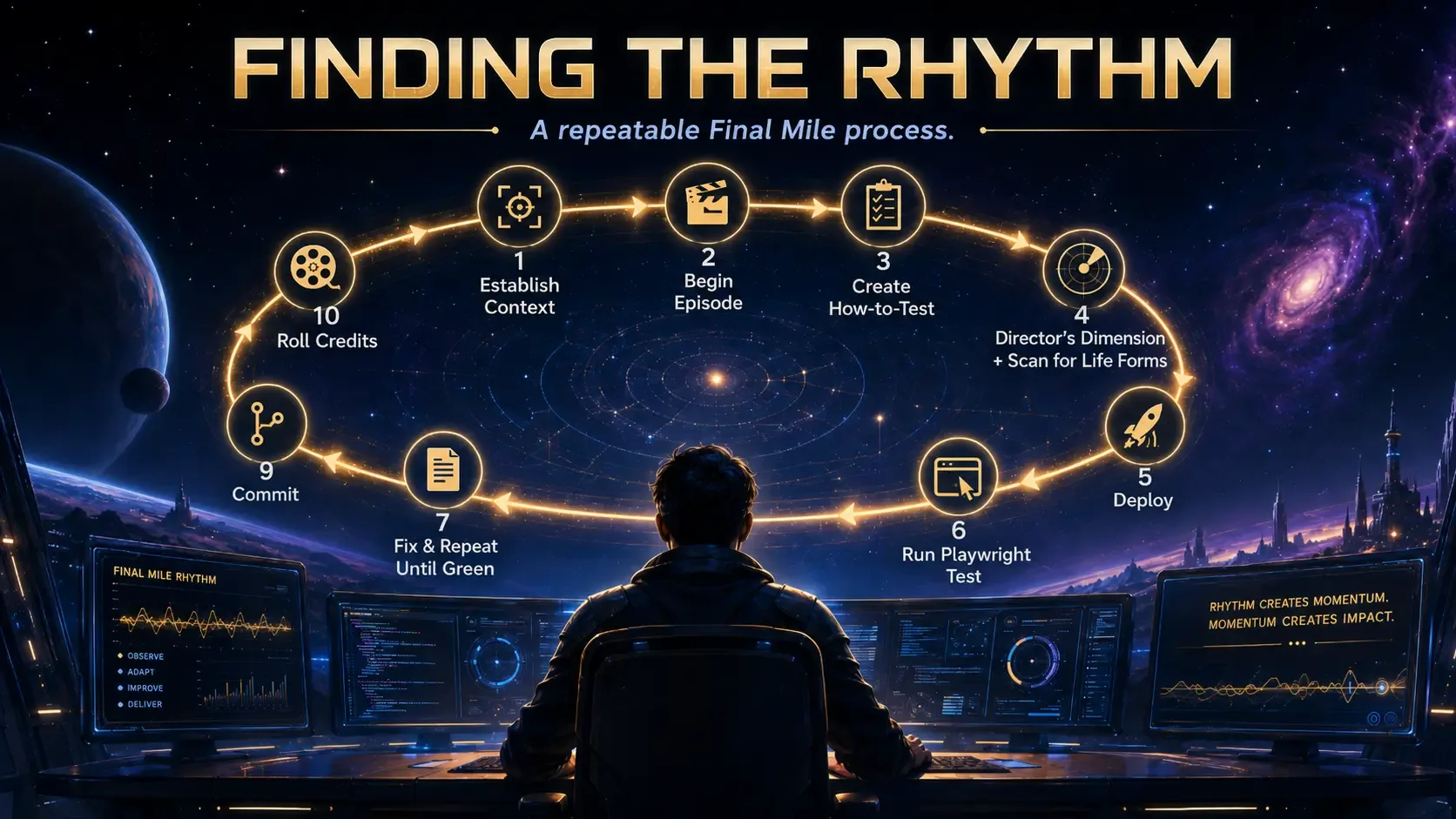
Journey Through Alchemy SDLC™ (Part 4): Finding the Rhythm
Getting comfortable with the repeatable Final Mile process - and learning why knowing what comes next changes everything.
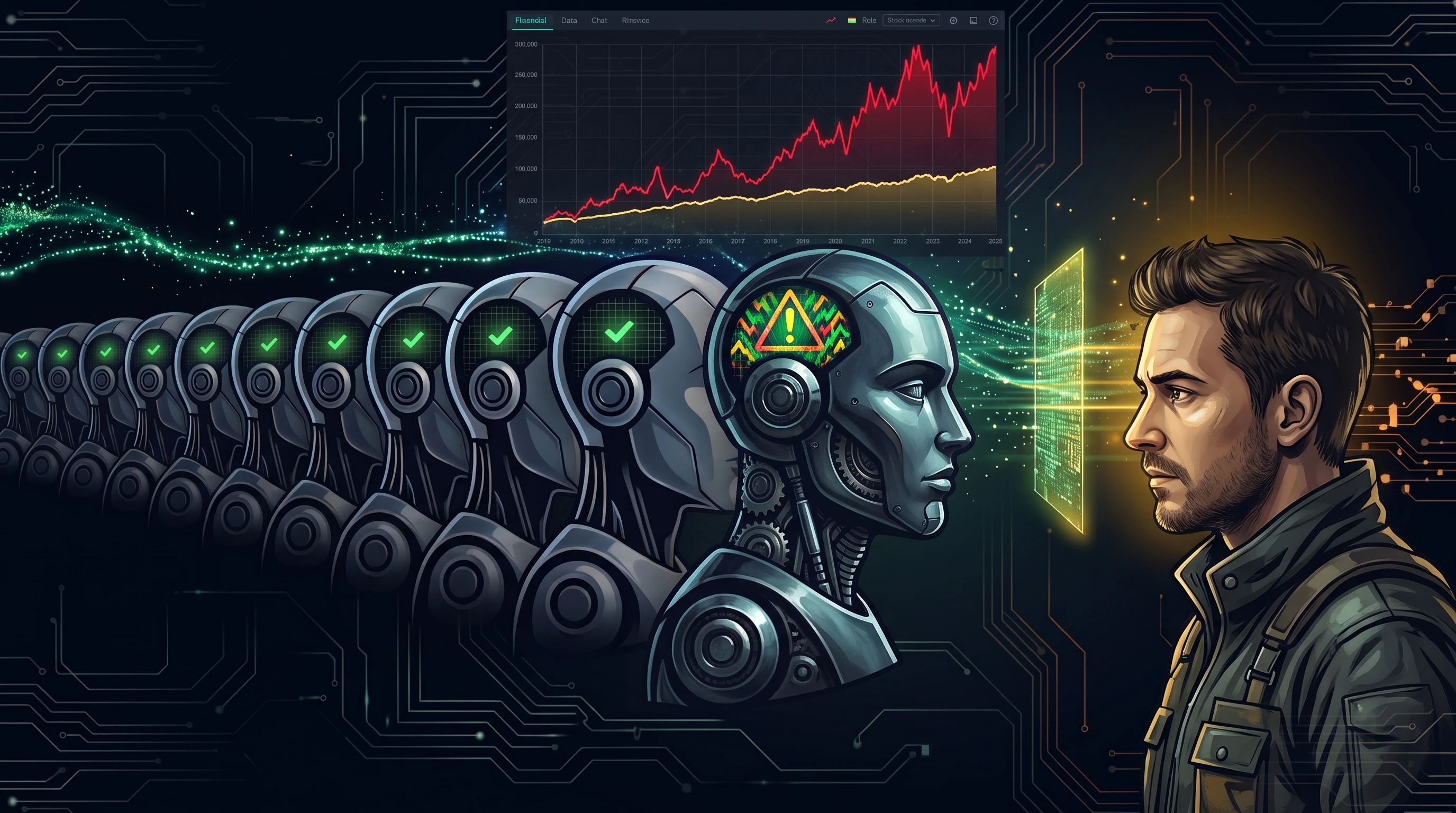
Inherited Blind Spots Part-3
Generation capacity has risen dramatically, while human review capacity is still where Fagan measured it in 1976. An AI auditor narrows the aperture cheaply, but only if the unflagged items can be trusted. Otherwise the program buys the compute and then asks the reviewer for more hours anyway.

Inherited Blind Spots Part-2
A same-lineage AI auditor that flags nothing has told the reviewer nothing, because unflagged silence carries no information. The real measure of an audit is not how many findings reach the reviewer’s desk, it is how many pages a person must read personally before signing. Only a cross-lineage audit narrows that aperture.

Beyond FIAR: A Case Study in Enterprise Knowledge Engineering
Every organization must transform operational activity into trusted evidence. Using the Air Force L19 inventory reconciliation report as a case study, this paper shows how Enterprise Knowledge Engineering shifts audit work from assembling evidence after the fact to producing it continuously, so experienced auditors spend less time gathering evidence and more time evaluating it.

Low-Code at Enterprise Scale
Low-code platforms can expand delivery capacity faster than an organization can govern a growing application portfolio. Sustainable scale depends on clear decision rights and ownership. Review depth should follow consequence so governance protects enterprise interests without becoming a routine source of delay.